English
 عربى

Most conversations about scar tape for the face start with something small: a mark on the cheek after a mole was removed, a chin that healed slightly raised after a fall, or a firm spot that acne left behind and never quite smoothed out. Underneath, the question is almost always the same — can a thin piece of silicone really change how skin looks? For many facial scars it can, and the reason has very little to do with clever marketing.
We manufacture medical-grade silicone gel adhesives, so we spend our working hours on the practical side of that question: how much tack a sheet needs before it survives a night of sleep, how thin a strip can be before the edges begin to curl, and how an adhesive behaves on skin that is still healing. What follows is a practical guide drawn from that formulation work and from the clinicians who handle facial scars every week.
Content
- 1 What Silicone Scar Tape for the Face Actually Is
- 2 How Silicone Helps a Scar Soften
- 3 Which Facial Scars Respond Best
- 4 How to Apply Scar Tape to the Face
- 5 How Long to Wear It, and How Long to Keep Going
- 6 Sheets, Strips and Perforated Strips: Choosing a Format
- 7 Everyday Tips and Cautions
- 8 Questions We Hear Most
What Silicone Scar Tape for the Face Actually Is
A facial scar tape is a soft, flexible sheet or strip coated with a medical-grade silicone gel adhesive. There is no acrylic glue and no active drug inside it. Silicone itself provides the grip — a tacky, skin-friendly polymer that holds gently and releases without pulling at a fresh scar.
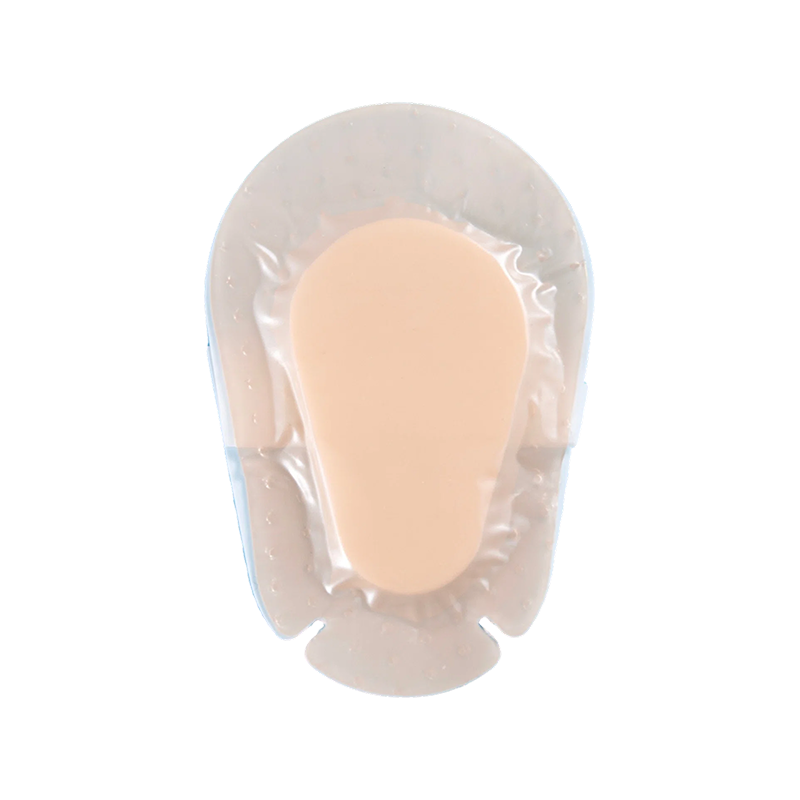
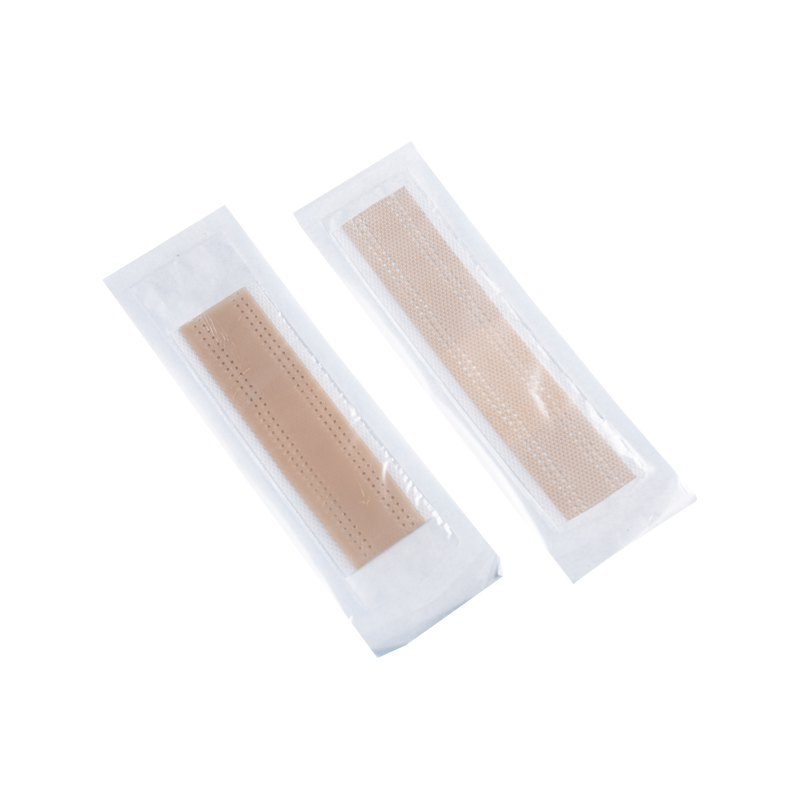
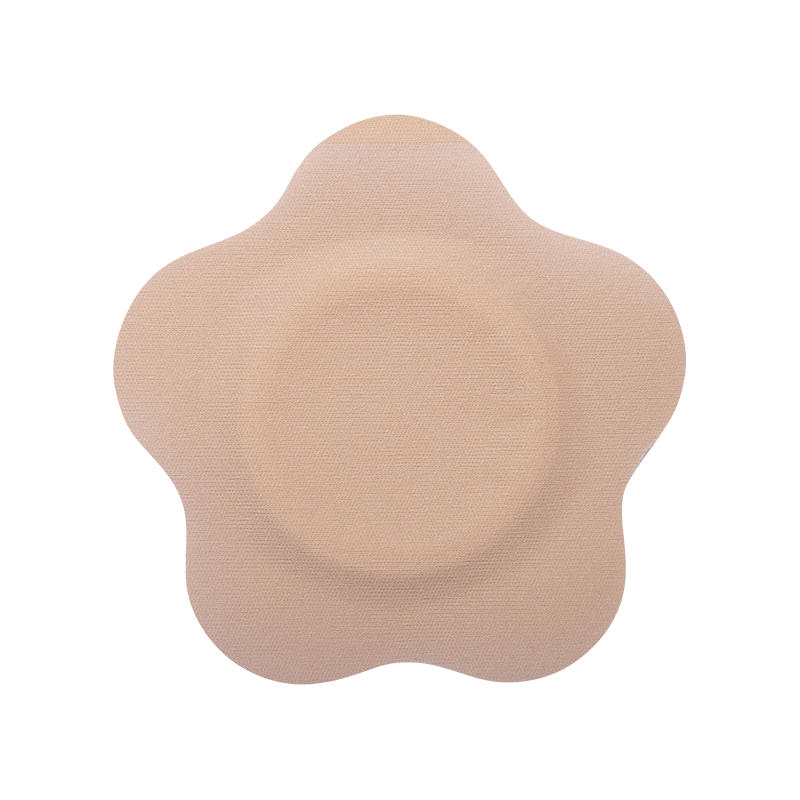
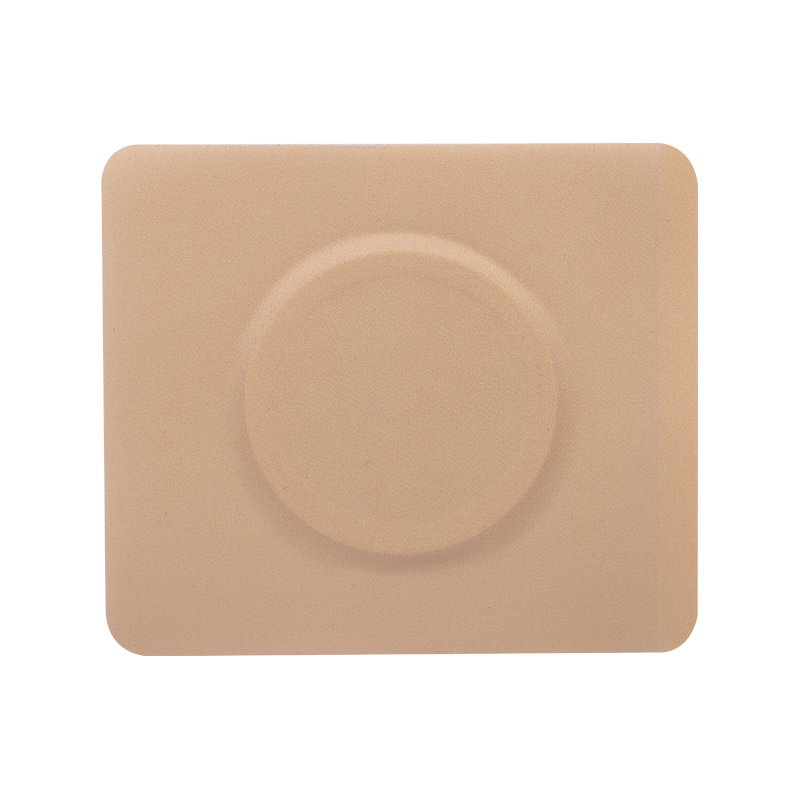
Face versions are usually thinner and more translucent than the sheets people use on a chest or abdominal scar, for three reasons: facial skin is thinner, it moves constantly, and it is rarely covered by clothing. Shape matters as much as thickness. Small ovals follow a cheek or chin contour, narrow strips suit a forehead or hairline incision, and perforated strips let the skin flex without lifting at the edges. All of them do the same job — they hold a thin layer of silicone against the scar for hours at a time.
How Silicone Helps a Scar Soften
Three effects explain most of what people eventually see in the mirror.
- Occlusion. The silicone layer slows water loss from the scar, keeping the tissue hydrated. Well-hydrated scar tissue tends to stay softer and flatter.
- Gentle tension. The sheet presses lightly on the surface, reducing the mechanical pull that encourages a scar to thicken.
- Collagen regulation. By limiting water loss and tension, silicone appears to calm the overactive collagen production that keeps a scar raised and red.
What silicone tape does not do is erase a scar. It changes how a scar behaves — usually less height, less redness, a smoother surface — and that change is gradual. Anyone promising a vanished scar in two weeks is selling something else. For the longer clinical view, we keep a detailed write-up on how silicone gel scar sheets are used in scar management.
Which Facial Scars Respond Best
Not every mark benefits equally. Raised, firm and still-pink scars respond best; sunken or pitted scars respond least. The table below is a rough map of what we hear from clinicians and from people using silicone scar products at home.
| Scar type | What it looks like | Sensible starting point | What to expect |
|---|---|---|---|
| Fresh surgical incision | Red line, slightly raised | Once the wound is fully closed and dry | Flattening and fading over 8 to 12 weeks |
| Raised acne scar | Firm bumps, sometimes clustered | After active inflammation settles | Gradual softening; clusters move slowly |
| Hypertrophic scar | Raised and red, stays inside the injury | As soon as the surface is closed | Height and redness improve first |
| Keloid | Grows beyond the original wound edge | Alongside professional care | May ease symptoms, rarely enough alone |
| Mature or old scar | Pale, flat or slightly depressed | Any time, with patience | Texture may improve; pits rarely fill in |
How to Apply Scar Tape to the Face
Technique matters more than most people expect. A sheet applied with the wrong tension lifts within hours; one applied to damp skin slides.
- Wait until the wound is fully closed, dry and free of scabs. On a surgical incision that is usually a few weeks after stitches come out.
- Wash your face with a mild, non-oily cleanser and rinse thoroughly.
- Dry the area completely, and skip moisturiser, sunscreen and makeup on the scar itself.
- Trim the sheet so it overlaps the scar by about a centimetre on every side.
- Peel the backing and place the tape on the scar without stretching it. Stretch is what causes edge lift.
- Smooth it down with clean fingers for a few seconds so the adhesive makes full contact.
- Wear it 12 to 23 hours a day, removing it only to wash the scar and the tape.
Curved areas — the jawline, the side of the nose, the temple — are the hardest to keep flat. A perforated strip often solves this, because the small openings let the material follow the contour instead of fighting it.
 Breathable Perforated Silicone Scar Sheet for Daily Scar CareA perforated silicone sheet with micro-perforations that follows curved areas and supports breathable, extended daily or overnight scar care.View Product →
How Long to Wear It, and How Long to Keep Going
Overnight wear does most of the work, which is why facial scar tape suits a routine: apply after your evening cleanse, remove after your morning one. Consistency beats intensity. Twelve hours a day for three months will do more than twenty-three hours a day for two weeks followed by nothing.
Most people notice change in this order:
- Weeks 2 to 4. The tape stays on better as you learn where your skin creases. Little visible change yet.
- Weeks 4 to 8. The scar often feels softer before it looks flatter.
- Weeks 8 to 12. Redness usually begins to fade.
- Months 3 to 6. The difference becomes obvious in photographs.
Wash the tape each morning with mild soap, let it air dry, and reapply to the same scar. Replace it when it stops sticking, typically every one to two weeks for face tape.
Sheets, Strips and Perforated Strips: Choosing a Format
A full sheet makes sense when the scar is broad or awkwardly shaped, because you can cut your own outline. Many people keep one sheet and trim it down over the weeks as the scar changes.
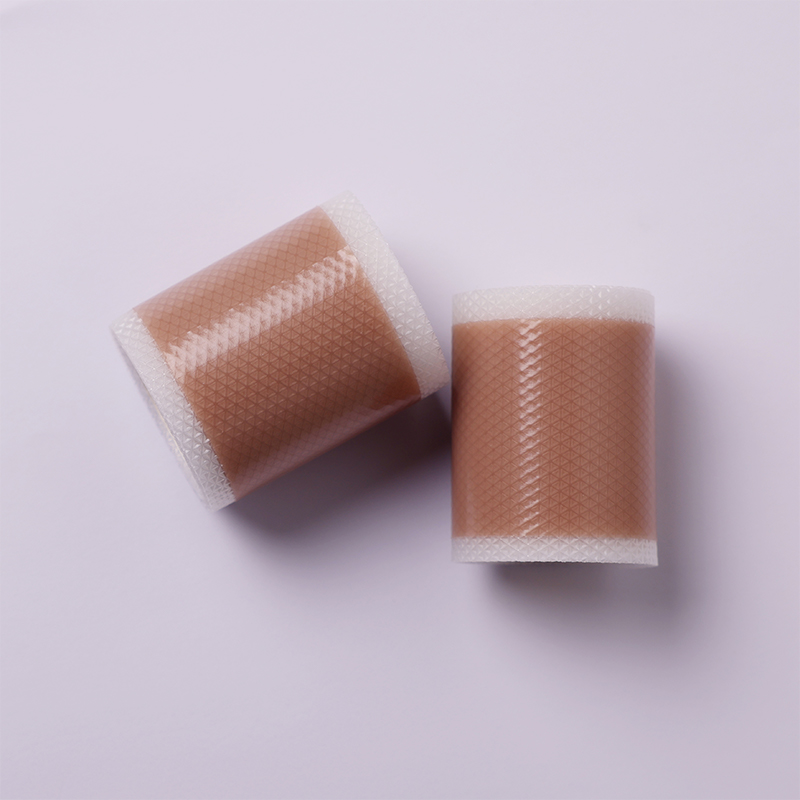 Hypoallergenic Silicone Scar Roll Sheet for Custom CoverageA roll-format silicone sheet you can cut to length for long or irregular scars, then clean and reuse for ongoing coverage.View Product →
Narrow pre-cut strips suit linear incisions — a hairline cut, a brow lift, a small vertical scar on the forehead or chin. There is little waste and almost no trimming, which matters when you are applying tape in front of a mirror before work.
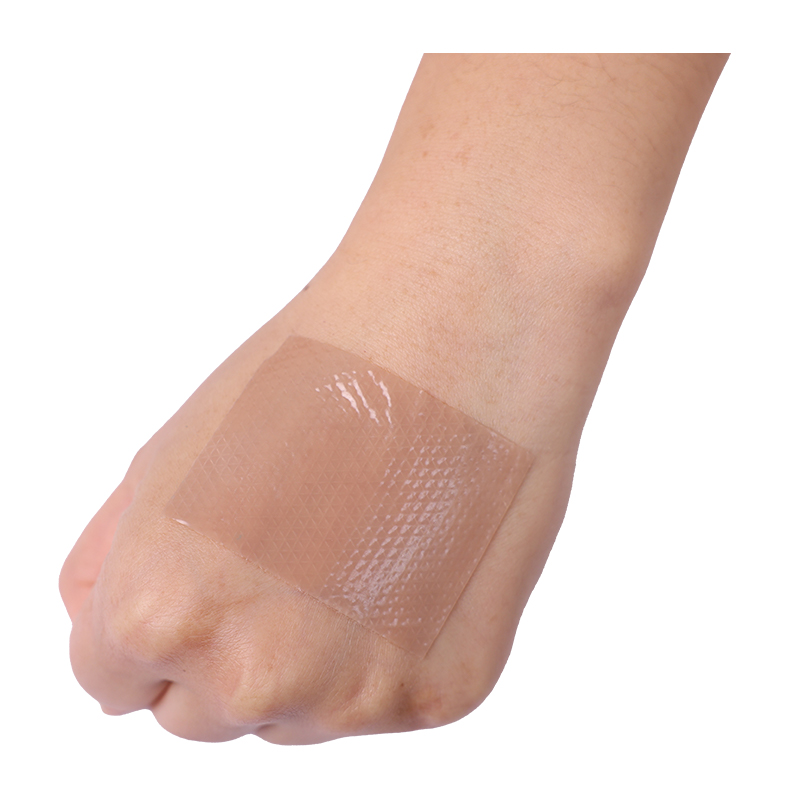 Reusable Pre-Cut Silicone Scar Strip for Daily MaintenanceA ready-to-apply 4cm x 30cm strip for linear surgical or cosmetic scars, washable and reusable without measuring or trimming.View Product →
Whichever format you choose, look for a product described as medical-grade silicone gel with no acrylic adhesive, and check that it can be washed and reused. If you would rather compare everything side by side, our recovery and scar management range collects the formats in one place.
Everyday Tips and Cautions
- Clean skin, clean tape. Oil and residue are the main reason tape lifts.
- Do not apply to broken skin, an open wound, infected skin or a rash.
- If your skin is reactive, build up slowly: two hours on day one, then add an hour a day.
- Remove the tape slowly, in the direction of hair growth, especially near the eyebrow.
- Stop and speak to a clinician if you notice spreading redness, blistering or increasing pain.
- Keep tape away from the eye itself. For eyelids and the immediate eye area, ask a professional first.
- Protect the scar from the sun. Silicone tape is not a sunscreen, so shade the area or use SPF elsewhere on the face.
- Give it a fair trial. Eight to twelve weeks of consistent wear tells you whether it is working for you.
Questions We Hear Most
Can I wear scar tape under makeup?
Usually yes, but order matters. Apply the tape to clean, dry skin first, then add makeup around it or lightly over the edges. Heavy foundation over the tape can break the seal and cause lifting. On days when you need a full face of makeup, many people simply wear the tape overnight instead.
Is silicone tape safe on acne-prone skin?
Silicone gel adhesives are generally well tolerated, and because there is no acrylic glue they are less likely to strip the skin. The practical risk is occlusion: covering an active breakout can make it worse. Wait until the inflammation settles, and keep the tape on the scar itself rather than on surrounding spots.
Will it work on a scar that is years old?
Older scars can still respond, but more slowly. Mature scar tissue is less active, so changes in height and colour arrive gradually over several months. There is no harm in stopping if you see no movement after eight to twelve weeks of consistent wear.
Facial scar care is a quiet routine rather than a dramatic fix. The tape is thin, the change is slow, and the results usually show up in photographs you did not plan to take. What makes the difference is simply whether the tape stays where you put it, night after night, for long enough to let the skin do its work.
We have been formulating silicone gel adhesives in Shanghai since 2014, producing in a 100,000-class GMP cleanroom and testing for skin compatibility, breathability and comfortable removal. If you are a clinician, pharmacy or brand looking for a silicone scar tape partner — standard formats or a custom shape built around a specific facial contour — we are always glad to talk through what is possible.